

.webp)
Let’s be honest—depending on ads alone to grow your brand is a tough game.
Customer acquisition costs are climbing, algorithms keep shifting, and eCommerce brands are burning through their budgets trying to attract new customers, only to lose them just as fast.
Here’s what we’re seeing: the brands that are thriving right now aren’t just chasing the next campaign. They’re building systems that use email marketing to keep customers engaged, loyal, and coming back for more.
Not just any email strategy, though. We’re talking about ecommerce email marketing prioritizing customer lifetime value and long-term relationships over quick wins.
Let’s walk through five strategies that can help you do exactly that.
1. Go Beyond the Standard Flows
Yes, your welcome series, abandoned cart, and post-purchase flows are essential. That’s a given. But if those are the only automations running in the background, you’re leaving a massive amount of revenue untapped.
Real growth comes from expanding beyond the basics. Smart brands are setting up replenishment reminders based on when a customer might run out, nurture sequences that educate buyers on how to get the most out of their purchase, and seasonal flows that align with real-time shopping behaviors.
The trick is to treat your flows like living, breathing parts of your marketing strategy. Update them regularly, test new angles, adjust the logic, and keep them evolving.
Want to personalize even further? Add dynamic content that changes based on what someone has purchased before. Show skin care education to one customer and styling tips to another. That’s the kind of ecommerce marketing automation that actually works.
And when these flows are working as they should, they’re not just driving conversions. They’re building trust and boosting ecommerce retention in a way that campaigns alone never could.
2. Use Segmentation to Sell Smarter
If you’re still sending every campaign to your entire list, you’re not just leaving money on the table—you’re likely turning people off.
For the fundamentals behind behavior, purchase and engagement groups, read what email segmentation is and why it matters before moving into advanced RFM models.
Effective segmentation is one of the most powerful tools you have. One of the best ways to make segmentation more actionable is through RFM segmentation for eCommerce, which helps you separate recent buyers, repeat customers, and high-value shoppers into groups that deserve different messaging. At Stimulate, we always start with five key segments:
- Engaged last 90 days: These folks are already paying attention. A timely campaign can nudge them to take action.
- Winback last 500 days: They made a purchase once but haven’t been back. Re-engaging them is often easier (and cheaper) than finding someone new.
- Interest {item} last 365 days: They browsed but didn’t buy. Follow up with something that speaks directly to their interests.
- VIPs: Your best customers deserve better than generic messaging. They want early access, exclusive perks, and to feel valued.
- Zero-party data segments: Built from things like quizzes and preferences, these segments help you get even more personal.
This targeted approach separates average campaigns from the best email marketing for ecommerce brands. It makes your messaging feel thoughtful and relevant, and it drives results.
3. Blend Campaigns with Automations
One of the most common mistakes we see? Treating campaigns and automations like two totally separate things.
But the best-performing brands? They integrate the two.
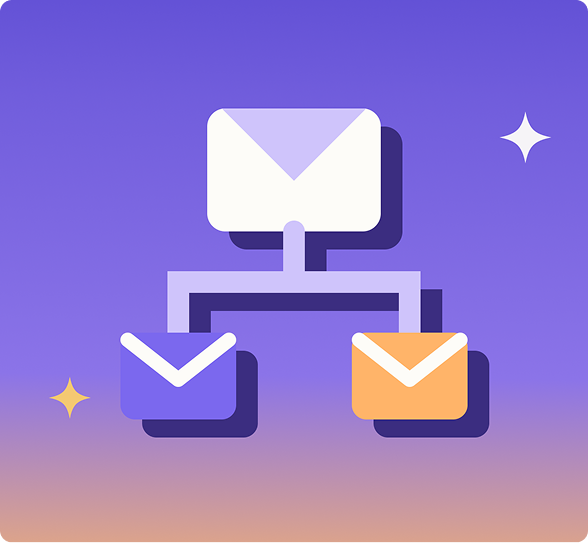
Think of campaigns as your active plays—product launches, promotions, seasonal pushes. Automations are what keep everything running behind the scenes—welcome flows, winbacks, browse abandonment, replenishment reminders, and post-purchase sequences.
To turn that lifecycle stage into a repeat-purchase system, follow our post-purchase email strategy for timing, education, cross-sells and second-order conversion.
When you coordinate the two, everything works better. A product launch email can be supported by a follow-up flow for non-clickers. A seasonal sale can connect to browse abandonment messaging. A loyalty promotion can be reinforced by automated thank-you emails and customer education.
For Shopify brands, tools like Klaviyo for Shopify email marketing make this kind of orchestration much easier, because they give you the segmentation, automation, and behavioral data needed to build a smarter lifecycle program.
It’s about building an email ecosystem where each piece supports the others. That’s how you create momentum that continues long after the initial send.
4. Keep It Human—Plain Text Still Wins
Not every email needs to be beautifully designed.
One of the top-performing emails we ever helped send? A plain-text note from the founder of a baby care brand. No design. No promo code. Just a genuine message with a mealtime tip.
And it worked. Not because it was clever or flashy, but because it felt personal.
Customers want to hear from real people, not just brands. And that’s where plain-text emails shine. They feel like one-to-one conversations instead of mass marketing.
Think about sending a message for a customer’s one-year anniversary. Or following up after a quiz with advice tailored to their preferences. These small touches help your ecommerce email marketing stand out and feel meaningful.
At the end of the day, building loyalty is about more than tactics. It’s about showing up in a way that feels human.
5. Optimize for Long-Term LTV, Not Just Short-Term Conversions
Email shouldn’t just be your sales engine. It should be one of your most valuable long-term growth channels.
That means thinking beyond one-off sends and building a program that supports the full customer journey—from first purchase to second purchase to long-term loyalty.
At Stimulate, we help brands do exactly that. And for businesses selling online, working with an eCommerce email marketing agency can help connect campaigns, automations, segmentation, and lifecycle strategy into a more reliable revenue engine.
That bigger system often includes:
- Subscriptions: Use automations to reduce churn and educate consistently.
- Loyalty Programs: Recognize and reward the behavior that drives repeat purchases.
- Surveys & Quizzes: Collect zero-party data to personalize future sends.
- Post-Purchase Upsells: Maximize value while the customer is still engaged.
- Cross-channel support: Reinforce email with complementary channels like SMS marketing when speed, urgency, and timely follow-up matter.
The point is simple: the best eCommerce brands don’t treat email like a batch-and-blast channel. They use it as the foundation for stronger customer relationships and better lifetime value.
Final Thoughts: Play the Long Game
Acquisition will always be a part of growth. But if it’s the only part of your strategy, you’re running uphill.
The most successful brands today? They prioritize retention. They build smart systems across email marketing, sms marketing, and other owned channels. And they focus on the customers they already have—because those customers are the ones most likely to buy again.
If you're ready to make the shift, we can help. Book a free retention audit so we can your email program into your most profitable asset.
.webp)
.webp)
.webp)
.webp)
.webp)
.webp)
.webp)
.webp)
.webp)
.webp)
.webp)
.webp)
.webp)
.webp)
.webp)
.webp)
.webp)
.webp)
.png)
.webp)
.webp)
.webp)
.webp)
.webp)
.webp)
.webp)
.webp)
.webp)
.webp)
.webp)
.webp)
.webp)